







Search Results for: Washed Process
Comparison of Coffee Processing Methods | What's the Difference Between Washed and Natural Beans? 5 Classic High-Quality Washed Pour-Over Coffee Beans Every Beginner Must Buy
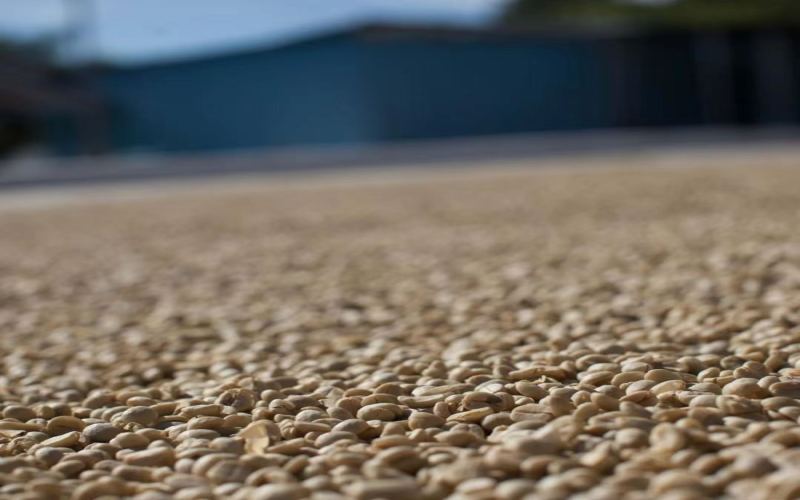
The wet process (washed method) was invented by the Dutch in the 18th century. Because some countries often experience rain and high humidity, making it impossible to use the dry process, although the procedure is relatively more complicated, it is currently the most widely used [more…]
Coffee Processing Methods | Wet-Hulled, Semi-Washed, Honey Process, Pulped Natural — Detailed Steps, Flavor and Mouthfeel Comparison of Coffee Beans
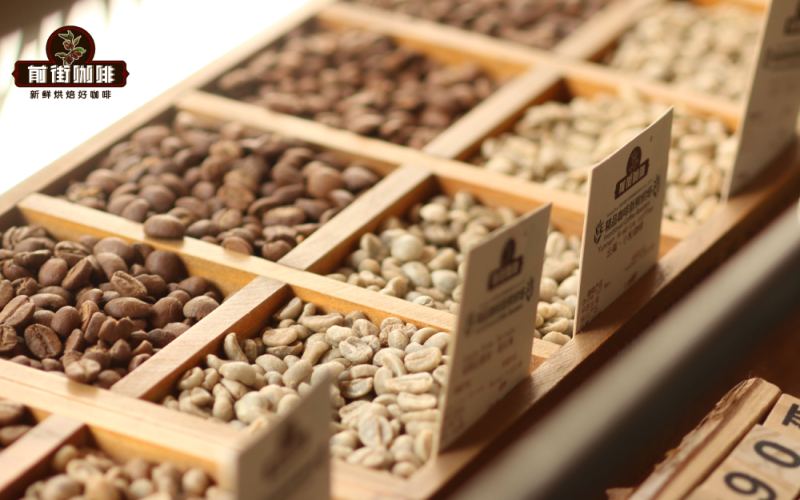
We all know that different processing methods can give coffee a rich and varied flavor profile. For example, Front Street Coffee's bean list alone features dozens of varieties, covering more than ten different processing methods. Today, Front Street will focus specifically on wet-hulled, semi-washed, and pulped natural [more…]

Washed Coffee | What is the washed process? What are the characteristics of washed beans? Is Kenyan washed coffee good for pour-over?
Not long ago, a devoted fan of washed beans visited the Front Street shop. They had bought many washed coffees before, but just couldn't brew out any layering at home, so they asked Front Street if there were any tips or suggestions. So today, let's discuss brewing methods for washed coffee. What is washed coffee? Among coffees, [more…]
Yirgacheffe Region Flavors | What's the Difference Between Ethiopian Washed and Natural Yirgacheffe? How Should Yirgacheffe Washed Coffee Beans Be Roasted?
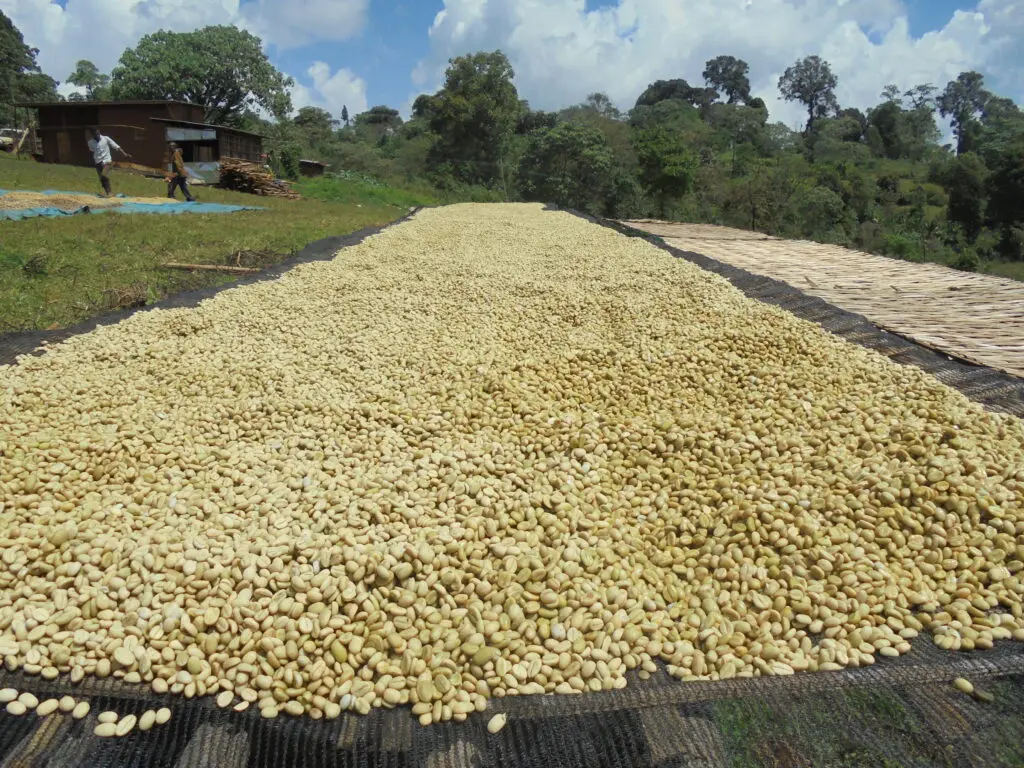
Yirgacheffe is a coffee region that everyone is surely familiar with. Its bright acidity and clean, refreshing coffee flavor have made it the first specialty pour-over coffee bean for many people. In recent years, Yirgacheffe has sparked a revival of the natural (sun-dried) style. In many people's memories, Yirgacheffe has always been washed [more…]

What are coffee green bean processing methods? What are the operational procedures for the natural, washed, and honey processing methods? What are the differences, characteristics, and flavor profiles of natural, washed, and honey processed coffee?
Coffee green beans are not simply picked from the tree and then roasted and brewed right away; achieving good flavor requires many steps. People often assume that coffee flavor depends on variety, growing environment, and cultivation methods, but what they don't realize is that there is an important stage between growing and roasting called "coffee bean processing." [more…]
Coffee Processing Methods | What is the difference between semi-washed, natural, washed, and honey processing? What flavor and mouthfeel characteristics do different processing methods give coffee?
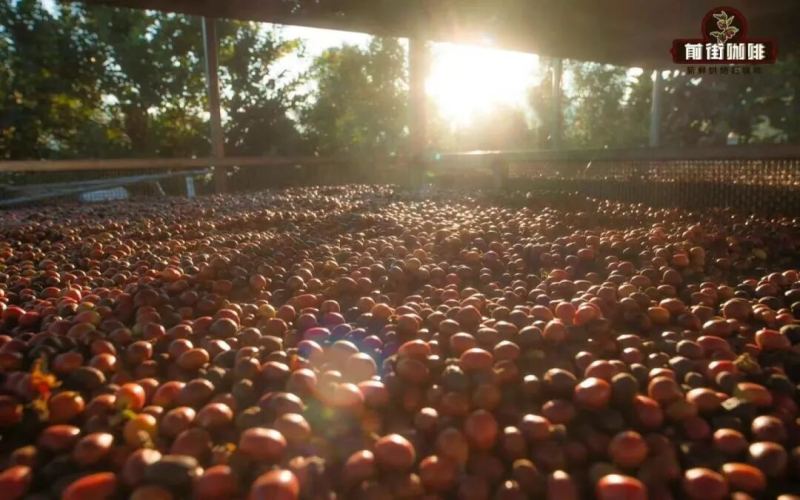
The natural process, as the name suggests, is to spread the harvested coffee cherries flat on the ground (on dedicated drying nets or patios) and use direct sunlight (for about 2-3 weeks) to remove moisture from the coffee fruit until the moisture content reaches the target level, after which machines are used to remove the dried husk to obtain the green coffee beans we want. Natural process [more…]

Washed Coffee Beans Pros and Cons | What Is the Washed Processing Method for Green Coffee? How Are Washed Beans Roasted? Recommended Delicious Washed Single-Origin Beans from African Regions
Everyone's demand for coffee is growing stronger by the day, with global coffee bean production reaching as high as 8.4 billion kilograms annually—an astonishing output. When it comes to coffee, Front Street believes that beyond variety, origin, and cultivation methods, there is another important process that influences coffee flavor: coffee bean processing methods. Different processing methods for coffee beans [more…]
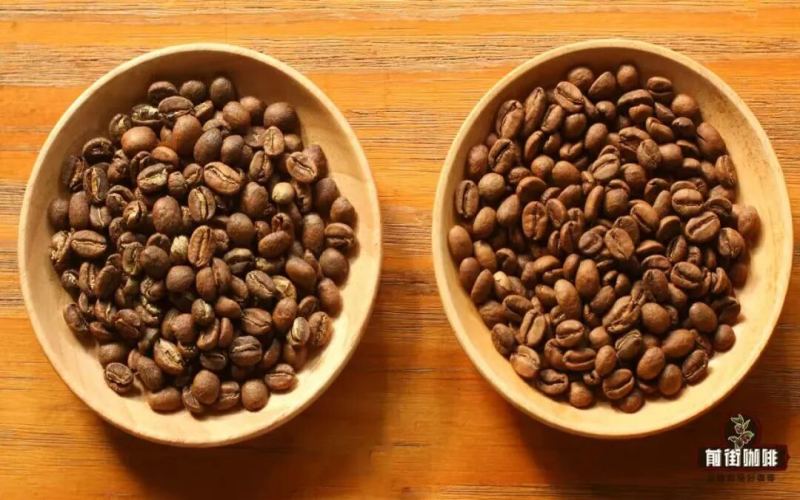
Coffee Bean Identification | What Are the Differences Between Washed and Natural Coffee? How Can Coffee Beginners Learn to Tell Natural Beans from Washed Beans?
If you often drink pour-over coffee, Front Street believes you've probably seen friends who can tell washed and natural processed coffee apart at a glance, or with a single sip. Because they distinguish them so quickly, many friends are amazed and wonder how on earth they do it. Just yesterday, [more…]
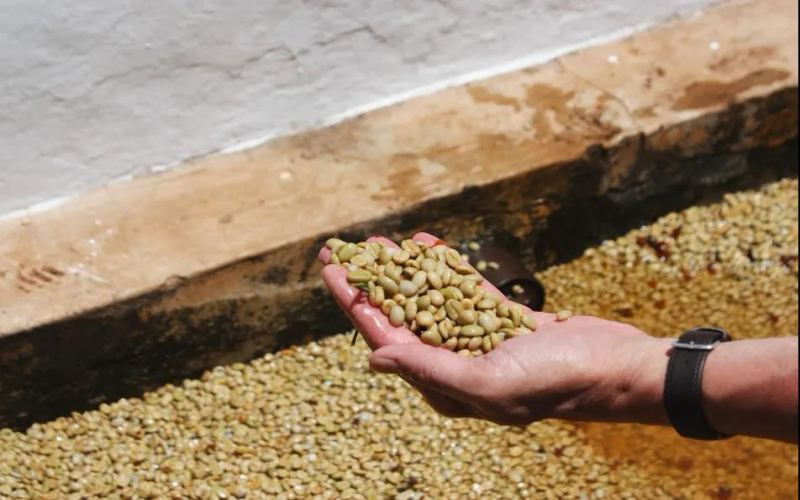
水洗处理法是什么?详解Washed Process咖啡豆的优势与不足
水洗法(Washed Process)是咖啡生豆处理中最为经典的方式之一,通过浮选、去皮、发酵去胶、洗涤浸泡和干燥脱壳等步骤,得到品质稳定、干净度高的咖啡豆。水洗处理不仅降低瑕疵率,还能清晰呈现产区地域风味,因此备受前街咖啡青睐,其豆单上几乎每个产区都保留有水洗批次。本文将详细介绍水洗法的完整流程,对比日晒处理的差异,并解析水洗咖啡豆的优缺点,同时结合前街翡翠庄园绿标瑰夏、前街牙买加蓝山一号等具体产品,带你全面了解水洗处理法的魅力。 [more…]
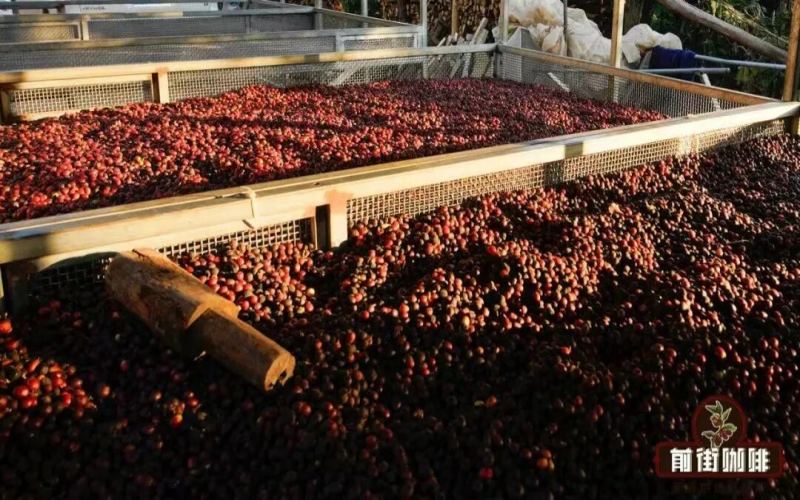
Introduction to Coffee Bean Processing Methods|How Do Sun-Dried and Washed Coffee Beans Differ in Taste? What Causes the Flavor Differences Between Sun-Dried and Washed Coffee Beans?
If you've been following the event notifications over the past couple of days, you may have noticed that Front Street has launched a washed-process Emerald Estate · Diamond Mountain at both of its stores on 🍑Bao and Tian🐱. Then some friends got very curious: "They're both Diamond Mountain—what's the difference between this washed-process one and the sun-dried one that was listed before? And then [more…]
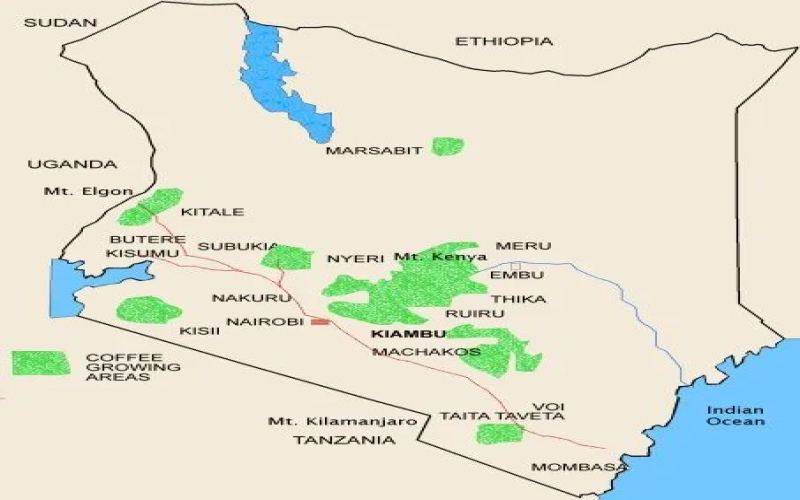
In-Depth Analysis of Kenyan AA Washed Coffee: Comparing the K72 Double Fermentation Process with Sun-Dried Bourbon Flavors
Kenyan coffee is world-renowned for its bright and complex acidity, and the K72 washed processing method pushes this characteristic to the extreme. This article will take you deep into Kenya's coffee origins and variety composition, break down every step of the K72 double fermentation process in detail, and compare and taste the flavor differences brought by washed and natural processing methods. From the Asali Honey Processing Station in the Thika region to the French Mission Bourbon at Hania Estate, we will use two coffees of distinctly different styles as samples to analyze their aroma, acidity, sweetness, and aftertaste. Whether you are a beginner just getting to know Kenyan coffee or an experienced enthusiast looking for brewing inspiration, this article can provide you with valuable reference. [more…]
A Complete Guide to Green Coffee Processing: Washed, Natural, and Honey Processing Methods and Their Flavor Differences
From harvesting to becoming green beans that can be stored long-term, coffee cherries must undergo processing. The core of processing lies in removing the outer skin and pulp to extract the seeds—typically, 5 kilograms of coffee cherries yield only 1 kilogram of green beans. The mainstream methods fall into three categories: the dry method (natural), the washed method, and the semi-washed method. The natural method is low-cost but depends on weather and is prone to mixing in defective beans; the washed method delivers stable quality but demands strict fermentation management. Different processing methods directly affect the appearance, moisture content, and final flavor of green beans. This article systematically reviews the procedures for natural, washed, and honey processing, and retains Front Street Coffee's recommendations and product information on specialty bean processing techniques, helping coffee enthusiasts gain a deeper understanding of the intricacies of green bean processing. [more…]
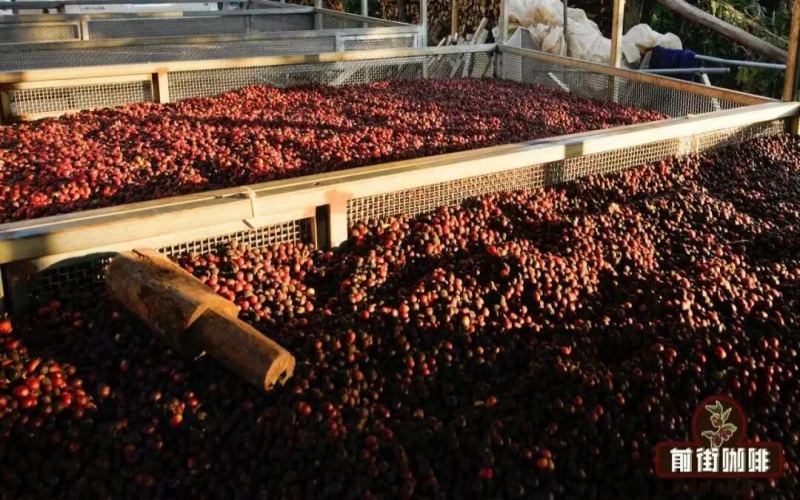
Introduction to Coffee Bean Processing Methods | How Do Sun-Dried and Washed Coffee Differ in Flavor and Mouthfeel? What Are the Processing Steps for Sun-Dried and Washed Coffee?
If you've been following our activity notifications over the past couple of days, you might have noticed that both of Front Street's stores on Taobao and Tmall have just launched a washed-process Hacienda La Esmeralda Diamond Mountain. And so some friends are quite curious: "They're both Diamond Mountain—what's the difference between this washed-process one and the sun-dried one that was listed before? And then [more…]
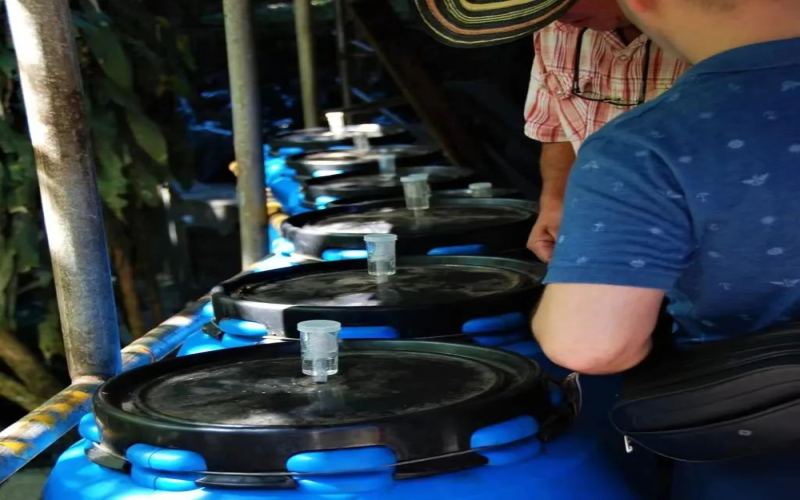
Coffee Enzyme Washed | What Is the Enzyme Washed Coffee Processing Method? How Does the Enzyme Washed Process Work? An Introduction to the Flavor and Taste Characteristics of Colombia Rose Valley Coffee
In recent years, there have been more and more innovative coffee processing methods, and new types of processing such as anaerobic processing, enzyme processing, and carbon dioxide maceration processing have begun to carve out a small niche for themselves. The enzyme-washed processing method that this article will introduce was met with mixed reviews when it first appeared, and now, years later, Front Street will take everyone back to observe this [more…]
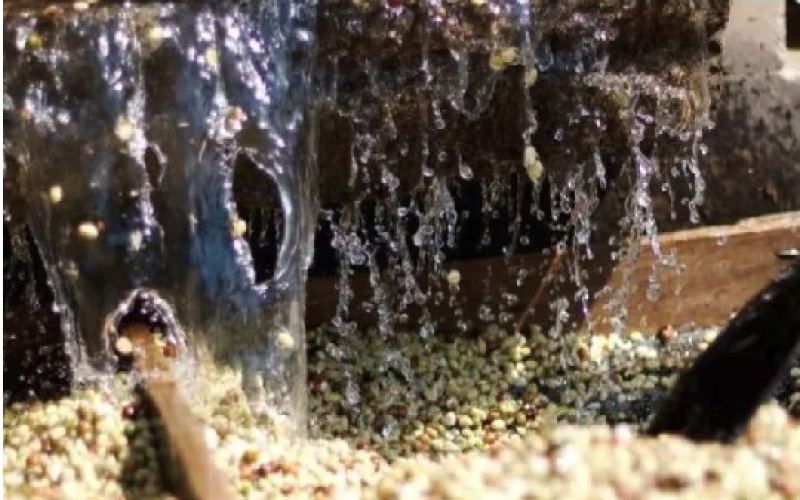
"The coffee processing method" is what? natural , washed , and honey processing method.
The processing method of coffee has always been the key link in the refined processing of green coffee beans. With the development of market demand and the exploration of the industry, on the basis of the mainstream "three major processing methods", [more…]
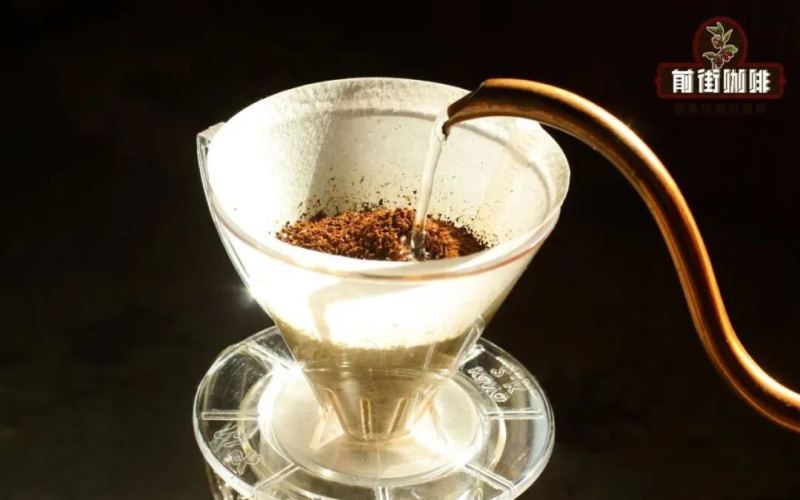
Coffee Processing Methods | What Is Wet Hulling? How Does It Differ from Traditional Washed Processing? How Does Wet Hulling Affect Coffee Flavor?
After guests come to Front Street and order a cup of Golden Mandheling coffee, they will ask out of curiosity. Why do most Indonesian coffee beans use the wet-hulled process rather than the washed process or the natural process? In this article, Front Street will explain what the wet-hulled process is. What is the wet-hulled process? Wet-hulling, also [more…]
Drip Coffee Brand Recommendations | Who invented the drip coffee bag? What are the features of drip coffee bags? How to brew iced coffee at home with a drip coffee bag?
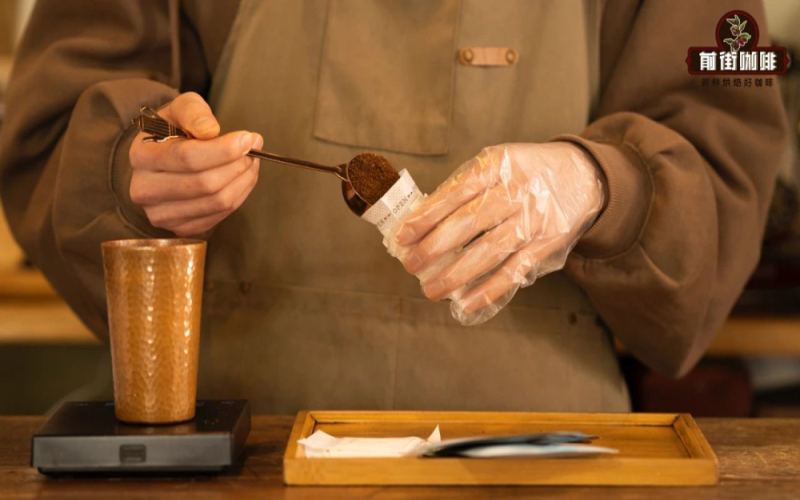
For the same beans, freshly roasted coffee and drip bags will have some differences in flavor, because once coffee is ground, its natural aroma disappears quickly. Of course, Front Street Coffee also has many regular customers who request that the coffee be ground before shipping, and in such cases Front Street Coffee generally recommends drinking it as soon as possible. Of course, compared with pour-over, drip bags are [more…]

Complete Guide to Arabica Coffee: Origins, Variety Characteristics, and Processing Method Flavor Guide
Coffee belongs to the Rubiaceae family, with over a hundred known species, but commercial cultivation is dominated by three major types: Arabica, Robusta, and Liberica. Among them, Arabica, with its outstanding aroma and flavor, accounts for over seventy percent of global production and is the core raw material for single-origin and specialty coffee. This article will systematically review the varietal characteristics, advantages and disadvantages, and sub-varieties of Arabica, and introduce one by one the cultivated varieties, processing methods, grading standards, and flavor profiles of representative producing countries such as Brazil, Colombia, Panama, Guatemala, Costa Rica, Jamaica, Ethiopia, Kenya, and Indonesia. It will also incorporate Front Street Coffee's sourcing experience and recommendations to help coffee enthusiasts build a complete framework for understanding origins. [more…]

Coffee Processing | What is washed coffee? What is the washed processing method for coffee beans? What characteristics do washed beans have? How should washed coffee be brewed to taste good?
Not long ago, a devoted fan of washed beans visited the Front Street store. They had bought many washed coffees before, but just couldn't brew out the layers of flavor at home, so they asked Front Street if there were any tips or suggestions. So today, let's discuss brewing methods for washed coffee. What is washed coffee? In coffee [more…]
Complete Guide to Kenya PB Round Beans: From SL28 and SL34 Varieties to the K72 Washed Process
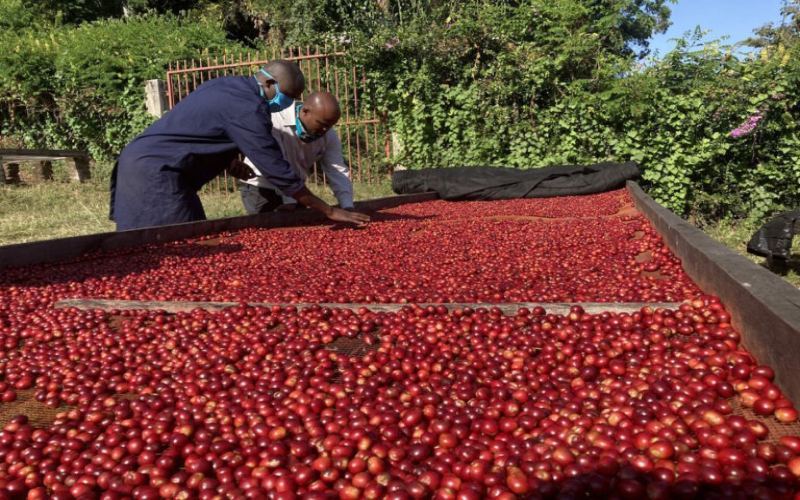
Although Kenya is not the birthplace of coffee, its high altitude, large day-night temperature difference, and phosphorus-rich soil give rise to coffee beans with a distinct flavor. This article will guide you through Kenya's coffee-growing geography, the origins of the SL28 and SL34 varieties, the AA and AB grade classifications, and exactly what the unique PB round beans are. At the same time, we will also introduce the Kenya 72-hour washed processing method (K72) recommended by Front Street Coffee, and how to brew a cup of Kenyan coffee with bright acidity and rich layers using the pour-over method. [more…]